

The interview that inspired this post
Trust is weird. You can spend years building it with someone, brick by brick, through countless small moments of reliability and honesty. But it can disappear in an instant—one lie, one betrayal, one moment where someone shows you who they really are. It’s like building a house for decades and watching it burn down in minutes.
This lopsided nature of trust explains so much about why our world works the way it does. Think about it—why do we have contracts? Because someone, somewhere, broke their word. Why do companies have HR departments with thick policy manuals? Because people can’t be trusted to just do the right thing. Every process, every rule, and every “terms and conditions” document exists because trust failed somewhere along the line.
The Sycophant Trap
Here’s where things get interesting. A lot of people think they’re building trust, but they’re actually just collecting yes-men. They surround themselves with people who agree with everything they say, who laugh at their jokes, and who never challenge them. It feels good—who doesn’t want to be right all the time? But this isn’t trust. This is sycophancy, and it’s dangerous.
Real trust isn’t about agreement. It’s about knowing someone will tell you the truth even when it’s uncomfortable. The person who tells you your business idea won’t work, that your relationship is unhealthy, or that you’re being unrealistic—that person might be offering you something more valuable than the cheerleader who just nods along.
When you trade real trust for fake agreement, you set yourself up to be exploited. Sycophants don’t actually care about you—they care about what you can do for them. They’ll tell you what you want to hear until it’s no longer convenient, then they’re gone.
You Can’t Trust Others If You Don’t Trust Yourself
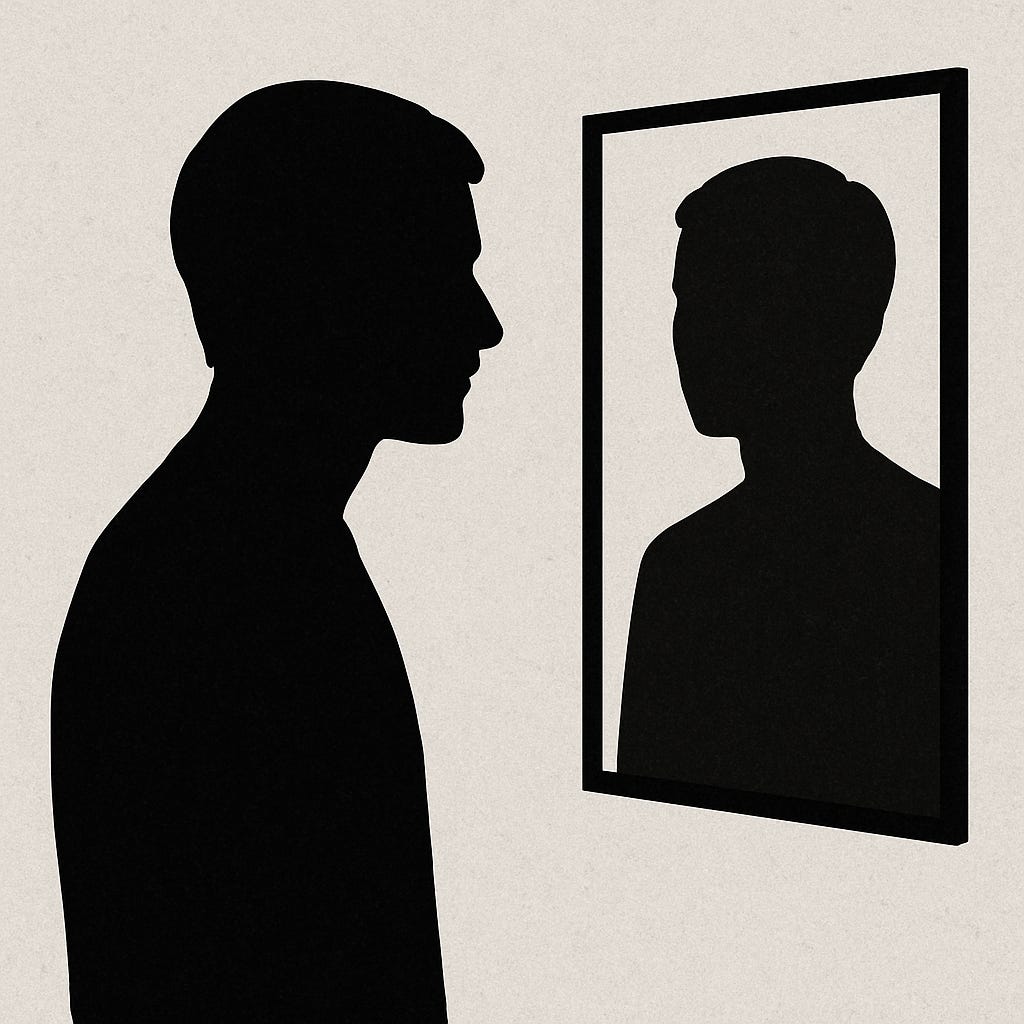
But here’s the thing that took me way too long to figure out: you can’t really trust other people if you don’t trust yourself first. When you don’t believe in your own judgment, your own worth, or your own ability to handle difficult situations, you become desperate for external validation. You’ll trust anyone who makes you feel good about yourself, even when your gut is screaming that something’s wrong.
I see this everywhere. People stay in bad relationships because they don’t trust themselves to be okay alone. They take terrible advice because they don’t trust their own thinking. They let others make important decisions for them because they’re afraid of being wrong.
The irony is that when you don’t trust yourself, you actually become less trustworthy to others. You become unpredictable, needy, and prone to making decisions based on fear rather than wisdom.
The Gift of Criticism—But Not All Critics Are Created Equal
This is why learning to trust the right critics is so important. But here’s the catch - not every critic deserves your trust. The world is full of people ready to offer opinions without commanding any real wisdom.
Some critics are just frustrated people projecting their own failures onto you. Others are competing with you and disguise their sabotage as helpful advice. Then there are the armchair experts who’ve never actually done what they’re criticizing you for attempting. They speak with confidence about things they’ve only read about or theorized about, never lived through.
Real criticism—the kind worth trusting—comes from people who deeply understand what they’re talking about. They’ve walked similar paths, faced similar challenges, or possess genuine expertise in the area they’re addressing. They’re not just expressing opinions; they’re sharing hard-earned wisdom.
The difference is profound. A wise critic will tell you why something might not work and offer alternatives. They’ll point out specific risks based on their experience. They’ll ask thoughtful questions that make you think deeper about your approach.
A shallow critic will just tell you something is wrong or impossible without much depth. They’ll use vague language like “that’ll never work” or “you’re being unrealistic” without explaining the mechanics of why. They’re often more interested in being right than in helping you succeed.
Learning to Filter the Noise
This is where trusting yourself becomes crucial again. You need to develop the ability to distinguish between valuable criticism and empty noise. Ask yourself: Does this person have relevant experience? Are they trying to help me succeed or tear me down? Can they explain their reasoning beyond surface-level objections?
I’ve learned that the best critics often start with questions rather than declarations. They want to understand your thinking before they challenge it. They’re curious about your perspective even when they disagree with it.
The worst critics start with conclusions. They’ve already decided you’re wrong and are just looking for ways to prove it. They’re not interested in dialogue; they just want to be heard.
Building Better Boundaries
When you start trusting yourself more, something interesting happens. You stop needing everyone to agree with you, but you also stop feeling obligated to value every opinion equally. You can handle disagreement without falling apart, but you can also dismiss irrelevant criticism without guilt.
This creates what I think of as “self-organized criticality”—you develop your own internal system for evaluating not just ideas and opportunities but also the sources of feedback you receive. You learn to weigh advice based on its source and relevance. You don’t need external processes to protect you from bad decisions because you’ve developed better judgment about both ideas and advisors.
The Bottom Line
Trust isn’t just about other people, and criticism isn’t automatically valuable just because someone offers it. It starts with trusting yourself enough to evaluate both the message and the messenger.
When you trust yourself, you make better choices about whose criticism to take seriously. You’re not desperate for validation, so you can see people more clearly. You can appreciate wise critics while filtering out the noise from people who just like to hear themselves talk.
The goal isn’t to become closed off to feedback. It’s to become discerning about the quality of that feedback. Because in a world where everyone has an opinion, learning to identify actual wisdom is a superpower.
Trust is hard to build and easy to break. But it starts with the person in the mirror—and that includes trusting yourself to know the difference between a critic worth listening to and someone just making noise.